Plastic Surgery
Facelift in Colombia: Techniques, Cost & Recovery
In Medellín from $3,500 USD · 7–12 day stay Get a free quote →
What a Facelift Does and What It Does Not
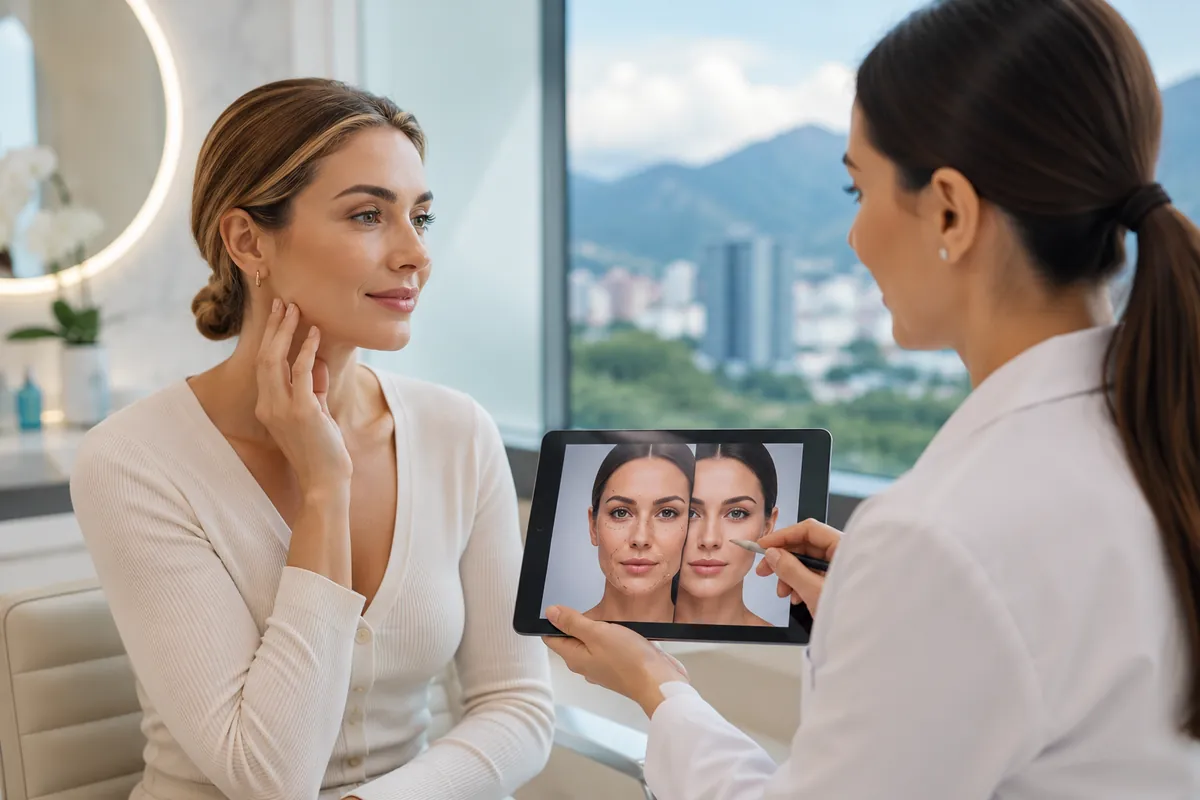
A facelift, known medically as a rhytidectomy, is a surgical procedure that addresses the visible signs of aging in the lower two-thirds of the face and the neck. Over time, gravity, sun exposure and the natural loss of collagen cause the skin and underlying tissues to descend. The result is sagging cheeks, deepening folds around the mouth, jowls along the jawline and loose skin under the chin. A facelift repositions and tightens these structures to restore a firmer, more youthful contour.
It is important to understand what a facelift can and cannot do. It is excellent at correcting sagging and laxity, but it does not improve the surface quality of your skin. Fine lines, sun damage, uneven tone and texture are not treated by lifting alone, which is why surgeons often recommend pairing the procedure with resurfacing or skin treatments. A facelift also does not stop the aging process; it sets the clock back several years, but your face continues to age naturally afterward.
If your concerns are mild and limited to early skin laxity, non-surgical options such as injectables, energy-based skin tightening or thread lifts may delay the need for surgery, though their effect is temporary and subtler. A facelift remains the most lasting and complete solution for moderate to advanced sagging. To see the full range of facial and body procedures available to international patients, our overview of plastic surgery in Colombia is a helpful starting point.
Facelift Techniques: SMAS, Deep Plane and Mini-Lift
There is no single facelift. The right technique depends on your anatomy, the degree of aging and the result you want, and a skilled surgeon will tailor the approach to your face rather than apply a fixed formula.
The SMAS facelift is the long-established standard. The SMAS is a layer of muscle and connective tissue beneath the skin; by lifting and tightening this layer rather than pulling on skin alone, the surgeon achieves a natural, durable result that avoids the over-stretched look of older techniques. The deep plane facelift goes a step further, releasing and repositioning the deeper tissues as a unit. Many surgeons favor it for advanced sagging because it can produce a very natural lift of the midface and jawline that lasts well over time.
The mini-facelift is a less extensive option for younger patients or those with early, mild jowling. It uses shorter incisions and a quicker recovery, addressing the lower face without the full scope of a traditional lift. Because aging rarely affects one area in isolation, facelifts are frequently combined with a neck lift to tighten loose skin and muscle bands under the chin, or with blepharoplasty (eyelid surgery) to refresh tired-looking eyes. Some patients also coordinate other facial work; if the nose is a concern, our guide to rhinoplasty explains how that procedure is approached in Colombia.
Are You a Good Candidate?
The best facelift results come to patients whose health and expectations are well matched to the procedure. Most people who choose a facelift are in their late forties through their sixties, when sagging has become noticeable but the skin still has enough elasticity to respond well to surgery. That said, chronological age matters less than your overall health and the condition of your tissues.
Good general health is essential. Conditions such as poorly controlled diabetes, high blood pressure or clotting disorders raise surgical risk and must be discussed openly during your evaluation. Being a non-smoker is especially important for facial surgery: nicotine constricts the small blood vessels that feed the skin, which can compromise healing of the incisions and the lifted tissues. Surgeons typically ask patients to stop smoking for several weeks before and after the operation.
Realistic expectations are just as important as physical health. A well-done facelift makes you look like a rested, refreshed version of yourself, not like a different person. The goal of a responsible surgeon is a natural result that respects your features. During your consultation, the surgeon and a board-certified anesthesiologist assess your candidacy, review your medical history and confirm that surgery is safe and appropriate for you before any plan is finalized.
Cost: Colombia vs. the United States
Cost is one of the strongest reasons international patients consider Colombia. A facelift in the United States commonly ranges from $12,000 to $20,000 or more, depending on the surgeon, the region and whether additional procedures such as a neck lift are included. In Colombia, a facelift by a board-certified specialist generally runs between $4,500 and $7,000 USD, with the final figure depending on the technique and any procedures combined with it.
That represents a saving of roughly 50 to 65 percent. The difference comes from lower operating and living costs in Colombia, not from any compromise in medical standards. Many surgeons in Medellín are certified by the Colombian Society of Plastic Surgery (SCCP) and trained to international protocols, working in modern accredited clinics with the same equipment and safety standards you would expect at home.
When you compare quotes, look closely at what each one includes. A transparent estimate should cover the surgeon's fee, anesthesia, the facility and your follow-up visits. Combining procedures, such as adding a neck lift or eyelid surgery, increases the cost but is usually far more economical than having each done separately. HealthBridge helps you obtain clear, itemized quotes so you can compare honestly and avoid surprises.
Your Stay and Recovery in Medellín
Plan to spend about 10 to 14 days in Medellín. This is longer than some body procedures require, and for good reason: facial surgery produces bruising and swelling that are most pronounced in the first week, and you want them to settle meaningfully before you fly. Your first day or two are devoted to consultation, lab work and a pre-operative evaluation with the surgeon and a board-certified anesthesiologist. Surgery follows, and the remaining days allow for crucial early follow-up, suture removal and gentle care before you travel home.
The early recovery is manageable but requires patience. Swelling and bruising around the cheeks, jaw and neck peak in the first few days and then steadily improve. You may wear a supportive facial garment for a period to reduce swelling and support the lifted tissues. Discomfort is usually mild to moderate and well controlled with medication; most patients describe a feeling of tightness rather than sharp pain. Lymphatic drainage massage, a gentle specialized technique common in Colombian aftercare, can help reduce fluid and speed the settling of swelling.
Surgeons generally advise waiting until bruising and swelling have eased before flying, which is why the 10 to 14 day window is recommended. Most patients feel comfortable being seen in public after about two weeks, when bruising can be covered with makeup, and return to non-strenuous work around that time. Strenuous exercise is avoided for several weeks. The lift looks tighter than the final result at first; over the following months the tissues relax into a natural position and the true outcome emerges, continuing to improve for up to a year.
Natural Results, Skin Treatments and Why Medellín
The hallmark of a good facelift is that no one can tell you had one. Modern techniques like the SMAS and deep plane lift focus on repositioning the deeper tissues, which avoids the tight, wind-blown appearance that gave older facelifts a bad reputation. A natural result is a matter of surgical skill and judgment, which is exactly why choosing the right surgeon matters more than any other decision.
Because a facelift addresses sagging but not skin quality, many patients pair it with skin treatments to get the most complete rejuvenation. Resurfacing, peels and other treatments improve tone, texture and fine lines that a lift alone leaves untouched. Your surgeon will advise on the timing, as some skin treatments are best done before surgery and others well into recovery. This combined approach is part of why patients often plan their trip carefully and sometimes bundle it with other goals; some who travel for facial work also explore body procedures like a mommy makeover on a separate visit.
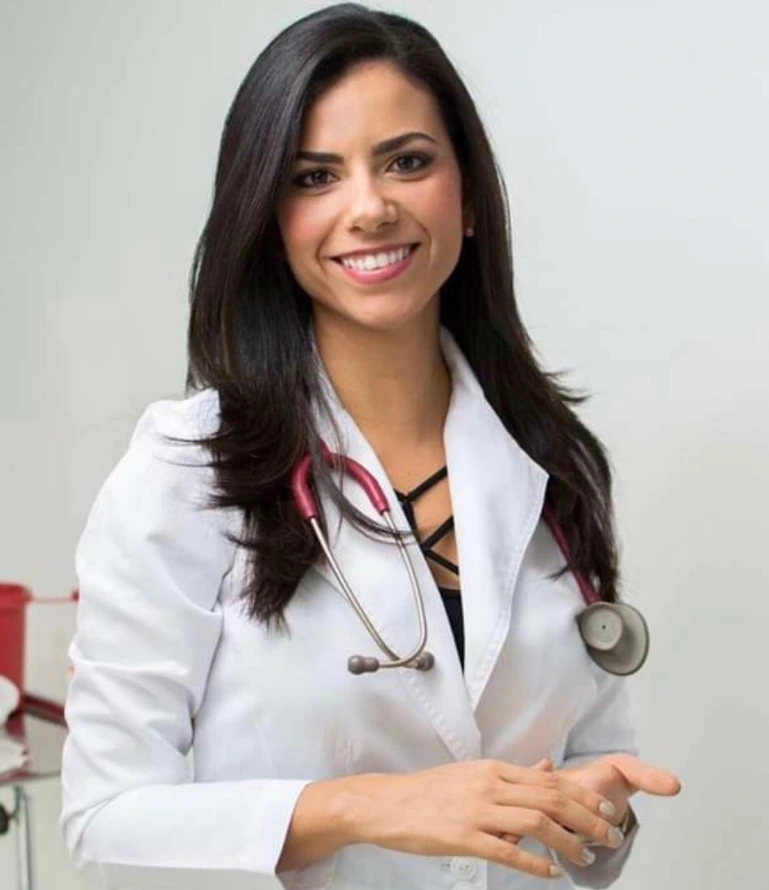
Medellín has become a leading destination for cosmetic surgery because it combines highly trained specialists, modern infrastructure and a welcoming environment for international patients. HealthBridge is a facilitator, not a clinic: we connect you only with surgeons certified by the Colombian Society of Plastic Surgery (SCCP), operating in accredited facilities with a dedicated board-certified anesthesiologist present for your procedure. Dra. Olga Gonzalez serves as our medical director and coordinator, guiding you in plain language through consultations, vetting, logistics and aftercare. You can learn more about how we work on the HealthBridge home page. With a mild spring-like climate, comfortable recovery accommodations and convenient flights from the U.S., the city offers world-class care, attentive support and meaningful savings in a single trip.
Considering plastic surgery in Colombia?
See the procedure, pricing and the process for international patients on our Plastic Surgery & Aesthetic Medicine.
Procedure guides: BBL in Colombia · Mommy Makeover in Colombia · Liposuction in Colombia from $3,500