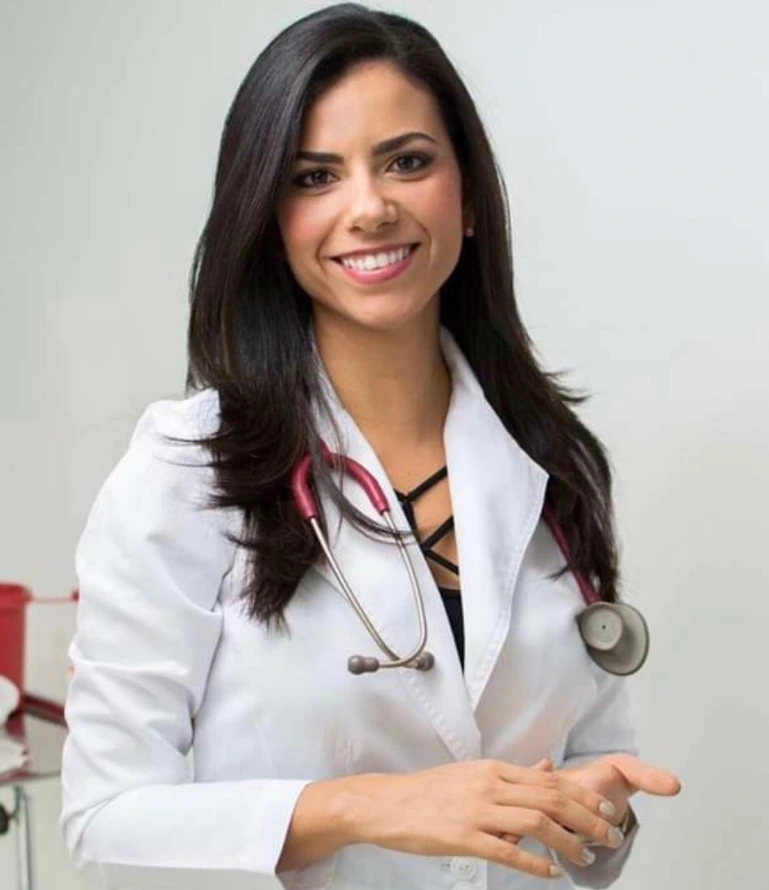
Plastic Surgery
How to Choose a Safe Plastic Surgeon in Colombia: A Checklist
Why Board Certification Is the First Thing to Verify
The single most important decision you will make is not which procedure to have, but who will perform it. In Colombia, the credential that matters is certification by the Sociedad Colombiana de Cirugia Plastica, or SCCP. This is the national society of plastic surgeons, and its members have completed a full, accredited residency in plastic, reconstructive and aesthetic surgery after finishing medical school and a general surgery foundation. Certification is not a marketing badge; it represents years of supervised surgical training and a commitment to recognized ethical and safety standards.
The distinction matters because the term "cosmetic surgeon" is not the same as a certified plastic surgeon. In many countries, including Colombia, physicians without formal plastic surgery training sometimes perform aesthetic procedures such as liposuction or fat grafting. They may be genuine doctors, but they have not completed the specialized residency that prepares a surgeon to handle complex anatomy, large-volume procedures and, crucially, the complications that can arise in the operating room. Some of the most serious outcomes in medical tourism trace back to untrained providers working outside their scope.
Choosing an SCCP-certified surgeon does not guarantee a perfect result, because no surgery can promise that. What it does is dramatically raise your baseline of safety and competence. If you are researching procedures, our overview of plastic surgery in Colombia explains the range of operations that qualified specialists perform, and every surgeon HealthBridge works with holds this certification.
How to Actually Check a Surgeon's Credentials
Verifying certification is easier than most patients expect, and doing it yourself builds real confidence. The Sociedad Colombiana de Cirugia Plastica maintains a public directory of its members on its official website, where you can search a surgeon by name and confirm active membership. If a surgeon is genuinely certified, their name will appear; if it does not, that is a reason to pause and ask questions rather than proceed.
Beyond the SCCP registry, you can cross-check a physician's professional registration with Colombia's national health authorities, which license every practicing doctor. Legitimate surgeons are transparent about their full name, their registration number and their specialty, and they will not object to a patient who wants to confirm these details. Reluctance to share credentials is itself a warning sign.
It also helps to look at where a surgeon trained and how long they have been practicing the specific procedure you want. A surgeon who performs your operation regularly, rather than occasionally, tends to have refined technique and clearer expectations about recovery. When you work with a facilitator, this verification is part of the service: HealthBridge confirms SCCP membership and licensing before ever presenting a surgeon to you, and our coordinator, Dra. Olga Gonzalez, can walk you through exactly what was checked. You can read more about how we operate on the HealthBridge home page.
The Facility and the Anesthesiologist Matter as Much as the Surgeon
A skilled surgeon operating in an unsafe setting is still a risk. Where your procedure takes place is a second pillar of safety that patients often overlook. Reputable aesthetic surgery in Colombia is performed in accredited surgical facilities or licensed clinics that meet formal standards for equipment, sterilization, monitoring and emergency response. Ask directly whether your surgery will be done in such a facility, and be cautious of any offer to operate in an office, an apartment or an informal space to save money.
Anesthesia deserves the same scrutiny. In a safe operation, anesthesia is administered and monitored by a dedicated, board-certified anesthesiologist whose only job during your surgery is watching your vital signs and keeping you stable. This is not a task to be delegated to the surgeon or to unqualified staff. Complications from anesthesia are rare, but when they occur they demand a trained specialist present in the room to respond immediately.
The presence of proper equipment and a recovery protocol also matters, especially for higher-risk procedures. Operations that move large volumes of fat or combine several surgeries require careful monitoring, which is one reason we cover the specifics in our guide to BBL safety. When you confirm the surgeon, the facility and the anesthesiologist together, you have addressed the three factors that most influence a safe outcome.
Red Flags You Should Never Ignore
Some warning signs are consistent across cases where surgery went wrong, and learning to recognize them protects you. The first is a price that seems too good to be true. Genuine surgery by a certified specialist in an accredited facility with a dedicated anesthesiologist has real costs. A quote dramatically below the market usually means a corner is being cut, whether on credentials, on the operating environment or on aftercare. Savings in Colombia are real, but they come from lower operating and living costs, not from skipping safety.
A second red flag is the absence of a proper evaluation. A responsible surgeon reviews your medical history, examines you, orders appropriate lab work and discusses whether you are a suitable candidate before agreeing to operate. If a provider is willing to schedule major surgery based only on a few photos and a chat message, with no thorough assessment, that is a serious concern for your safety.
The third is pressure. Ethical practices give you information and time; they do not push you to commit with countdown discounts, urgent deposits or claims that a special price expires today. High-pressure sales tactics are designed to stop you from doing exactly the due diligence this checklist encourages. If you feel rushed, that feeling is a signal to slow down. A trustworthy team welcomes your questions and never makes you feel that careful consideration is unwelcome.
Questions to Ask and How to Review Before-and-After Photos
Coming to your consultation with clear questions turns a sales pitch into a real medical conversation. Ask whether the surgeon is certified by the SCCP and how you can verify it. Ask where the surgery will take place and whether the facility is accredited. Ask who will administer your anesthesia and whether that person is a board-certified anesthesiologist. Ask how many times the surgeon has performed your specific procedure, what the realistic recovery looks like, and, importantly, what happens if a complication occurs after you return home. A confident, qualified surgeon answers these questions openly.
Before-and-after photos can be useful, but they should be reviewed with a critical eye. Look for images of patients with a body type or feature similar to yours, since results vary with anatomy. Be wary of galleries that look too uniform or overly polished, and remember that ethical surgeons show real, consented patient photos rather than stock or borrowed images. Photos illustrate a surgeon's aesthetic and range; they are not a guarantee of your individual outcome, and any responsible surgeon will say so.
Reviews and testimonials add context, but treat them as one input among many rather than proof. Patterns matter more than any single glowing or negative comment. Combine what you read with verified credentials and a thorough consultation. If you are considering a combined procedure, our guide to the mommy makeover shows the kind of detailed planning a good surgeon brings to a personalized surgical plan.
How a Facilitator Vets Surgeons, and Reading Safety Statistics Responsibly
A facilitator exists to do the vetting most patients cannot do from abroad. HealthBridge is a facilitator, not a clinic. That means we verify SCCP certification and licensing, confirm that surgery takes place in accredited facilities with a dedicated anesthesiologist, coordinate your consultations and quotes, and organize your logistics and aftercare. We work only with surgeons who prioritize patient safety over volume, and Dra. Olga Gonzalez guides you in plain language so you understand every recommendation rather than simply accepting it. A good facilitator does not replace your own judgment; it gives you the verified information your judgment needs.
It is worth being honest about statistics. Serious complications in aesthetic surgery are uncommon when procedures are performed by qualified surgeons in accredited settings, and the great majority of patients recover well. But no surgery is risk-free, and the risk rises sharply when any of the three safety pillars is missing. The responsible way to read safety data is not as a reassurance that nothing can go wrong, but as a reminder that outcomes depend heavily on the choices you make before surgery, above all the choice of surgeon and facility.
Colombia, and Medellín in particular, offers world-class plastic surgery when you choose carefully. The savings are meaningful, the specialists are highly trained, and the infrastructure is modern. The difference between a safe, satisfying experience and a dangerous one is rarely luck; it is verification. Use this checklist, ask your questions, confirm every credential, and lean on a trustworthy team so that your decision is built on evidence rather than hope.
Considering plastic surgery in Colombia?
See the procedure, pricing and the process for international patients on our Plastic Surgery & Aesthetic Medicine.
Procedure guides: BBL in Colombia · Mommy Makeover in Colombia · Liposuction in Colombia