
Bariatric surgery · Medellín, Colombia
Gastric Sleeve Surgery in Colombia
Laparoscopic sleeve gastrectomy in Medellín performed by board-certified bariatric surgeons in accredited hospitals — from about $4,500 USD, with a full multidisciplinary team and nutrition follow-up coordinated by our medical director, Dra. Olga González. Honest expectations, no guarantees.
- Board-certified bariatric surgeons
- Accredited hospitals
- From ~$4,500 USD
- English & Spanish

Gastric sleeve surgery in Colombia is a minimally invasive weight-loss operation in which about 75–80% of the stomach is removed to limit food intake and reduce hunger hormones. In Medellín it starts near $4,500 USD, versus roughly $18,000+ in the United States, with a typical stay of 7–10 days. HealthBridge is a facilitator connecting you to board-certified bariatric surgeons and a full nutrition and psychology team. It is a serious operation and a tool — not a guaranteed cure — that works with lasting lifestyle change.
In Colombia
$4,500
USD from
In the U.S.
$18,000
USD average
Your saving
75%
less
What a gastric sleeve actually is — and what it is not
A gastric sleeve, or laparoscopic sleeve gastrectomy, is one of the most widely performed bariatric surgery procedures in the world. In a single minimally invasive operation, a board-certified surgeon permanently removes roughly 75–80% of the stomach, leaving a slim, tube-shaped "sleeve" about the size and shape of a banana. There is no rerouting of the intestines and no implanted band or device — which is part of why the sleeve has become the most common weight-loss operation for many patients.
It works in two complementary ways. First, the much smaller stomach is restrictive: you feel full after modest portions, so you eat less. Second, and just as important, removing the upper curve of the stomach reduces production of ghrelin, a key hunger-signaling hormone. Many patients describe a genuine drop in appetite and food preoccupation in the months after surgery — a hormonal effect, not just willpower.
Here is the honest framing that responsible care requires. The sleeve is a powerful tool, not a magic switch. It gives you a real biological advantage, but the long-term result depends on the eating, activity and follow-up habits you build around it. Surgery makes lasting change achievable; it does not make it automatic.
- It is real surgery. A gastric sleeve is a major operation under general anesthesia, with genuine risks that a good surgeon discusses openly.
- It is largely permanent. Because stomach tissue is removed, the sleeve cannot simply be reversed like a band.
- It is not a cure by itself. Without lasting dietary and lifestyle change, weight can be regained — which is why the team around the surgery matters so much.
HealthBridge is a medical tourism facilitator, not a clinic. We connect you to vetted, board-certified bariatric surgeons and accredited hospitals in Medellín, and we coordinate the nutrition and follow-up support that turns an operation into a durable result. To compare the main procedures side by side, see our guide to gastric sleeve vs gastric bypass.
Why patients choose Colombia — and Medellín specifically
The economics of bariatric surgery are stark. A self-pay gastric sleeve in the United States commonly costs $18,000 or more once the surgeon, hospital, anesthesia and facility fees are added up. In Medellín, the same laparoscopic operation with a board-certified bariatric surgeon in an accredited hospital frequently starts near $4,500 USD — a difference driven by the lower cost of delivering care in Colombia, not by any compromise in surgical standards or safety.
But cost is only part of the story. Medellín has become a serious hub for medical travel, with modern private hospitals, experienced surgical teams and a genuinely comfortable base for a short recovery. The city's spring-like climate, the walkable El Poblado district and direct flights from the U.S. and Central America make the whole experience far less daunting than most people expect. For weight-loss surgery specifically, a calm, unhurried recovery away from daily stress is a real advantage.
What sets HealthBridge apart is that we are an accountable facilitator, not a package mill. We connect you to board-certified bariatric surgeons and coordinate a full multidisciplinary team — surgeon, nutritionist and psychologist — so you are not simply buying an operation and being sent home. Our medical director, Dra. Olga González, a Health Coach in Nutrition, personally coordinates your care and your nutrition follow-up in English or Spanish.
- Meaningful savings — often a fraction of the U.S. self-pay price, even after flights and hotel.
- Board-certified surgeons operating in accredited private hospitals.
- One bilingual coordinator from first message to post-op follow-up.
- Transparent USD pricing — an itemized, all-inclusive quote before you commit.
For a deeper look at pricing, read our breakdown of the gastric sleeve cost in Colombia.
All-inclusive program
What's included in your gastric sleeve program
HealthBridge is a facilitator: we coordinate a complete, transparent program around your surgery so you know exactly what you are getting. Every quote is itemized in USD, and we are clear about what is and isn't included.
Board-certified bariatric surgeon
The surgeon's fee for your laparoscopic sleeve gastrectomy, performed by an experienced, board-certified bariatric specialist.
Accredited hospital & operating room
Your operation in a modern, accredited private hospital, including the operating room, anesthesia and the surgical team.
Hospital stay & monitoring
The post-operative nights in hospital under clinical monitoring, so early recovery happens safely under professional care.
Pre-operative work-up
Standard pre-operative assessment and tests to confirm you are ready for surgery and to plan your care safely.
Nutrition follow-up with Dra. González
Written dietary guidance and remote nutrition follow-up coordinated by our medical director, a Health Coach in Nutrition, for your staged diet and long-term habits.
Bilingual coordination & transfers
One English/Spanish coordinator from first message to post-op follow-up, plus help with a hotel in El Poblado and airport transfers.
Who is a candidate — and who is not
Bariatric surgery is a medical decision, not a cosmetic one, and candidacy follows internationally recognized criteria. In general, a gastric sleeve is considered appropriate for adults with a body mass index (BMI) of 35 or higher, or a BMI of 30 or higher when accompanied by obesity-related health conditions such as type 2 diabetes, high blood pressure, sleep apnea, fatty liver disease or joint problems worsened by weight.
Just as important is the requirement that surgery follows serious, sustained attempts at weight loss through diet and lifestyle. The sleeve is intended for people whose health is meaningfully affected by obesity and for whom conventional approaches have not achieved durable results — not as a shortcut for modest cosmetic weight loss.
There are also situations where the surgeon may advise against the sleeve, or recommend a different procedure. These are individual medical judgments, but common considerations include:
- Severe acid reflux (GERD) — the sleeve can worsen reflux, so a gastric bypass is sometimes the better choice.
- Certain medical conditions — uncontrolled heart, lung or bleeding disorders, active substance misuse, or untreated eating disorders.
- Readiness for lifelong change — willingness to commit to dietary changes, supplements and follow-up is part of candidacy, not an afterthought.
Because these judgments are individual, candidacy is confirmed by the bariatric surgeon and the multidisciplinary team after reviewing your history — never assumed from a number alone. HealthBridge coordinates that assessment before anything is scheduled, and if the sleeve is not right for you, we will say so.
Your multidisciplinary team — beyond the surgeon
One of the clearest signs of responsible bariatric care is that the surgeon is not working alone. Lasting weight loss is a physical, nutritional and psychological project, and the international standard of care reflects that with a multidisciplinary team. Through HealthBridge, your care is coordinated across the specialists who actually determine long-term success.
- The bariatric surgeon — board-certified and experienced in laparoscopic sleeve gastrectomy, responsible for the operation itself and your surgical safety.
- The nutritionist / dietitian — who guides the pre-operative liver-shrinking diet, the staged post-op diet, and the protein, hydration and supplement habits that protect your health and results.
- The psychologist — who assesses readiness before surgery and supports the very real behavioral and emotional side of changing your relationship with food.
- The anesthesiologist and hospital team — who manage your safety during and immediately after the operation in an accredited facility.
Coordinating all of this is our medical director, Dra. Olga González. As a Health Coach in Nutrition, her role is directly relevant here: she helps translate the surgical plan into a livable nutrition and lifestyle program, and she stays involved in your follow-up so the momentum from surgery is not lost once you fly home. You correspond with one bilingual point of contact rather than a rotating cast of strangers.
This team-based approach is exactly why the surgery is best understood as the beginning of a program, not a one-off event. The operation changes your anatomy; the team helps you change the habits that make it work — for a fuller picture, see life after bariatric surgery.
Compare your options
Gastric sleeve vs other bariatric procedures
- Gastric Sleeve (Sleeve Gastrectomy)
- The most common option: ~75–80% of the stomach is removed to restrict intake and reduce hunger hormones. No intestinal rerouting, no implant. A powerful, largely permanent tool with strong weight-loss results for many patients.
- Gastric Bypass (Roux-en-Y)
- Creates a small stomach pouch and reroutes the small intestine, combining restriction with reduced absorption. Often preferred for severe acid reflux or type 2 diabetes, but more complex than the sleeve. See our sleeve vs bypass guide.
- Mini Gastric Bypass
- A technically simpler, single-connection variation of the bypass, generally quicker to perform. Offers strong weight loss for suitable candidates; the surgeon advises whether it fits your case better than the sleeve.
- Endoscopic Sleeve / Gastric Balloon
- Non-surgical options that reduce or occupy stomach space from the inside without incisions. Less dramatic weight loss, quicker recovery, and suited to lower-BMI patients or those wanting to avoid surgery.
Safety, hospitals and how the operation is done
A gastric sleeve is major surgery, and it deserves to be treated with the seriousness that implies. Through HealthBridge, procedures are performed by board-certified bariatric surgeons in accredited private hospitals in Medellín, under general anesthesia, with a full surgical and anesthesia team. This is not an outpatient shortcut; it is a hospital-based operation with proper pre-operative work-up and post-operative monitoring.
The operation itself is laparoscopic. The surgeon makes several small keyhole incisions, inserts a camera and instruments, removes the larger curved portion of the stomach, and staples the remaining edge into a narrow sleeve. The procedure typically takes about 60 to 90 minutes. Because it is minimally invasive, most patients experience less pain and a faster recovery than open surgery, though it remains a significant intervention.
Honest safety discussion is part of good care. Like any major operation, the gastric sleeve carries real risks, and your surgeon will review them openly with you. These can include bleeding, infection, blood clots, adverse reactions to anesthesia, and — specific to this operation — the rare but serious risk of a staple-line leak, as well as new or worsened acid reflux. Longer term, careful nutrition is needed to avoid vitamin and mineral deficiencies. Serious complications are uncommon in the hands of an experienced team, but no responsible surgeon will tell you the risk is zero.
Sensible questions to ask any bariatric program apply here, and we would rather you ask them of us directly: Is the surgeon board-certified in bariatric surgery? Is the hospital accredited? What is the plan if a complication occurs while I am still in Colombia? What follow-up and nutrition support continues after I return home? Clear answers to these questions are the real markers of a trustworthy program — and we will answer every one of them plainly.
Expected weight loss and realistic expectations
This is the section that honest bariatric care cannot skip. A gastric sleeve is one of the most effective tools available for significant weight loss, and many patients lose a substantial portion of their excess weight in the first one to two years. But results vary widely between individuals, and no reputable surgeon or facilitator will promise a specific number. We do not publish success-rate statistics we cannot substantiate.
What we can say honestly is this. The sleeve gives most patients a real, hormonally-supported advantage: smaller portions, reduced appetite, and — for many — meaningful improvement in obesity-related conditions such as type 2 diabetes, blood pressure and sleep apnea. The greatest weight loss typically occurs in the first 6 to 12 months, then gradually stabilizes. Your individual result depends on your starting point, your metabolism, your health, and above all the habits you sustain.
Several factors genuinely shape the outcome, and your team will discuss them candidly:
- Adherence to nutrition — protein targets, portion control and avoiding high-calorie liquids matter enormously.
- Physical activity — movement protects muscle and supports long-term maintenance.
- Follow-up and supplements — staying connected to your team and taking lifelong vitamins is not optional.
- Behavioral change — the psychological work of changing your relationship with food is often the deciding factor.
It is also honest to acknowledge that some weight regain is possible over the years, particularly if habits slip, and that a minority of patients see less benefit than they hoped. This is not a reason to avoid the surgery; it is a reason to treat it as a lifelong program rather than a one-time fix. Our promise is not a number on a scale — it is a safe operation, a real tool, and honest, ongoing support to help you use it well.
Pricing
How much it costs in Colombia
| Option | In Colombia | In the U.S. |
|---|---|---|
| Laparoscopic gastric sleeve | from ~$4,500 USD | ~$18,000+ USD |
| Gastric bypass (Roux-en-Y) | quoted after assessment | $20,000–$25,000+ USD |
| Mini gastric bypass | quoted after assessment | $18,000–$23,000+ USD |
| Endoscopic sleeve gastroplasty | individualized quote | $10,000–$15,000+ USD |
| Gastric balloon | individualized quote | $6,000–$9,000+ USD |
Reference 'from' prices in USD, subject to medical assessment.
Full breakdown, by area and by technique, in our guide to gastric sleeve cost in Colombia.
At a glance
Gastric sleeve: Colombia vs the United States
| Colombia (HealthBridge) | United States | |
|---|---|---|
| Gastric sleeve (from) | ~$4,500 USD | ~$18,000+ USD (self-pay) |
| Surgeon | Board-certified bariatric surgeon | Board-certified, at premium pricing |
| Hospital | Accredited private hospital | Comparable hospital |
| Wait time | Days–weeks | Weeks–months; insurance hurdles |
| Multidisciplinary team | Surgeon, nutritionist, psychologist coordinated | Available, often fragmented / added cost |
| Recovery setting | Spring-like Medellín, concierge, 7–10 days | At home |
Recovery, the staged diet and what to expect
Recovery from a gastric sleeve is gradual and follows a well-defined path. In the hospital, you will typically spend one to a few nights under monitoring before being discharged to rest in Medellín. Most patients are up and walking the same day or the next — early gentle movement helps prevent blood clots and speeds recovery. Some soreness, fatigue and a swollen feeling are normal in the first days.
The staged post-operative diet is central to safe healing, and your nutrition team guides you through it:
- Stage 1 — Clear liquids (first days): water, broth and other clear fluids, sipped slowly to protect the healing staple line.
- Stage 2 — Full liquids & protein (roughly weeks 1–2): protein shakes, thin soups and other smooth liquids to meet protein needs.
- Stage 3 — Pureed foods (roughly weeks 3–4): smooth, blended foods as tolerated.
- Stage 4 — Soft foods (roughly weeks 4–6): soft, easily digested foods introduced gradually.
- Stage 5 — Regular textures (from around week 6+): normal foods reintroduced carefully, emphasizing protein first, small portions and thorough chewing.
Lifelong habits begin immediately: adequate protein, plenty of hydration between (not during) meals, and daily vitamin and mineral supplements to prevent deficiencies. Most people return to light daily activities within a couple of weeks and to fuller activity, including exercise, over the following weeks as the surgeon advises. HealthBridge and Dra. González coordinate written guidance and remote nutrition follow-up so your progress continues after you return home.
Your stay in Medellín, cost and how to plan
For a gastric sleeve, plan on a stay of about 7 to 10 days in Medellín. This allows time for pre-operative assessment and tests, the surgery and hospital recovery, and a crucial period of monitored recovery before travel. As a general safety guideline, most patients should avoid flying for around 7 days after the operation to reduce the risk of blood clots and to ensure early complications would be caught while you are still under local care. Your surgeon gives the final clearance to fly.
On cost, a gastric sleeve at HealthBridge starts near $4,500 USD, compared with roughly $18,000 or more for self-pay surgery in the United States. Your quote is itemized and in USD. A typical program coordinates the surgeon's fee, the accredited hospital and operating room, anesthesia, standard pre-operative tests, the hospital stay and nutrition follow-up guidance. As with any honest quote, we are equally clear about what is not included — flights, hotel and any optional add-ons — so there are no surprises.
Planning is straightforward because one team handles the details:
- Free assessment. Share your goals, height and weight, and a short medical history by WhatsApp; our team responds with honest guidance and an all-inclusive USD quote.
- Medical clearance. The surgeon and team confirm candidacy and request any needed tests before you travel.
- Travel & surgery. Medellín's MDE airport receives direct flights from Miami, Fort Lauderdale, New York, Houston and Panama City. We help with a hotel in El Poblado and airport transfers, then coordinate your surgery and hospital stay.
- Recovery & follow-up. You recover in Medellín's spring-like climate with a companion welcome, then fly home once cleared — with written guidance and nutrition follow-up from Dra. González for your home team.
You can compare every specialty on our medical tourism home page, or explore the full bariatric surgery program to see how the sleeve fits alongside other options.
How it works
Your medical journey, step by step
Part of our Bariatric & Weight-Loss Surgery program.
Free assessment & quote
Message us on WhatsApp with your case, records or photos. We review it and send a plan and quote in USD before you book a flight — at no cost.
Travel plan
We coordinate a board-certified specialist, accredited hospital, dates, accommodation and airport transfers in Medellín.
Procedure
You're treated by board-certified specialists in accredited facilities, with bilingual support at every step.
Recovery & follow-up
You recover in Medellín with included check-ups and WhatsApp follow-up once you're home.
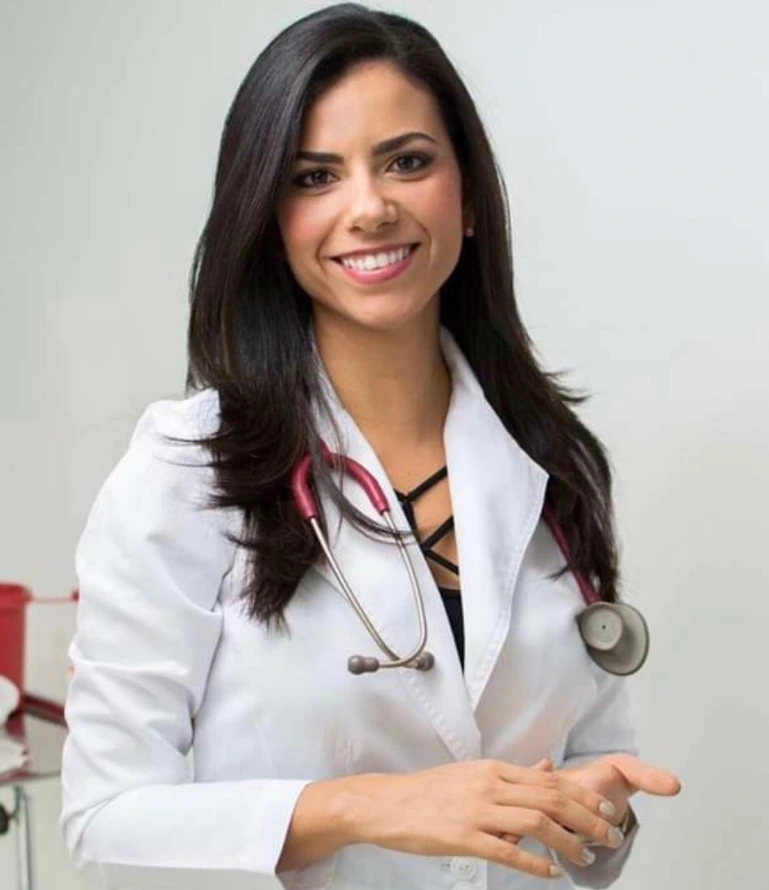
Your trusted physician
Dra. Olga González
Medical Director
Aesthetic Medicine Physician · Longevity & Regenerative Medicine · Health Coach in Nutrition · Universidad de San Martín
Dra. Olga González is the medical director of HealthBridge Medical Tourism. A physician trained at Universidad de San Martín and certified in aesthetic medicine, she has built her practice in El Poblado, Medellín, around longevity, regenerative medicine and biohacking. She personally coordinates each international patient's care — vetting surgeons, accredited hospitals and recovery plans — so that every traveler is treated by board-certified specialists and supported in their own language from the first message to the final follow-up.
- Aesthetic Medicine
- Regenerative & Longevity Medicine
- Biohacking
- Clinical Nutrition
Frequently asked questions
How much does a gastric sleeve cost in Colombia?
Is gastric sleeve surgery safe?
Am I a candidate for a gastric sleeve?
How much weight will I lose?
How long do I stay in Colombia?
How is the surgery performed?
What is the recovery like?
Is the gastric sleeve reversible?
Gastric sleeve vs gastric bypass — which is better?
Will I need vitamins and follow-up for life?
Who performs the surgery?
What's included in the price and how do I start?
You may also consider
Other procedures in this specialty
Many patients combine procedures in a single trip. These are the ones we coordinate within the same specialty.
Sources
Where to verify this information
We're not asking you to take our word for it. These are independent medical bodies whose guidance you can read directly before making any decision.
- American Society for Metabolic and Bariatric Surgery — patient resources
- CDC Yellow Book — Medical Tourism: risks, planning and post-travel care
- MedlinePlus (U.S. National Library of Medicine) — patient health information
HealthBridge is not affiliated with or endorsed by these organizations. They are cited as independent reference.
Other specialties
Explore more treatments in Colombia


Ready to take the first step?
Send us your case on WhatsApp and get a personalized plan and quote — free, with no obligation.
El Poblado, Medellín · Mon–Fri 8:00 AM – 6:00 PM · Sat 9:00 AM – 1:00 PM (COT)