Chronic Pain
Sciatica Treatment Options: From Conservative Care to Injections
In Medellín from $2,000 USD · 5–10 day stay Get a free quote →
What Sciatica Actually Is
The word sciatica describes a pattern of pain rather than a single disease. It refers to discomfort that radiates along the path of the sciatic nerve, the largest nerve in the body, which begins in the lower back, travels through the buttock and runs down the back of each leg. When one of the nerve roots that feed into this nerve is irritated or compressed, the result is a sharp, burning or electric pain that can shoot from the lower back or buttock all the way to the foot, sometimes with numbness, tingling or weakness.
The most common cause is a herniated disc. The soft cushions between the vertebrae can bulge or rupture and press on a nearby nerve root, triggering inflammation and pain. Another frequent culprit is spinal stenosis, a narrowing of the spaces in the spine that crowds the nerves, which becomes more common with age. Less often, sciatica stems from a slipped vertebra, muscle spasm in the buttock or other structural changes.
Understanding the cause matters because it guides treatment. True sciatica from a pinched nerve usually affects one leg and follows a specific pattern, which a specialist confirms through your history, a physical exam and, when appropriate, imaging such as an MRI. This is part of the wider field of chronic pain treatment in Colombia, and an accurate diagnosis is the foundation of an effective, individualized plan.
The Stepped-Care Approach: Start Conservative
For the large majority of people, sciatica improves over time, and the most responsible approach begins with the least invasive options. This is known as stepped care: start gently, give the body a chance to heal, and escalate only if symptoms persist. Reassuringly, studies and clinical experience show that most episodes of sciatica from a herniated disc settle within six to twelve weeks with conservative management.
The first step is activity modification rather than complete bed rest. Prolonged inactivity can actually slow recovery, so specialists encourage gentle movement, walking and avoiding positions that worsen the pain. Physical therapy is a cornerstone: a tailored program of stretching, core strengthening and posture training helps take pressure off the nerve, restore mobility and reduce the chance of recurrence.
Medication plays a supporting role. Anti-inflammatory medicines, short courses of other analgesics and, in some cases, medications that calm nerve-related pain can make movement and therapy tolerable. Heat, ice and education about body mechanics round out the conservative phase. The goal is not to mask pain forever but to control it enough that you can stay active while the nerve calms down. If you would like a broader view of non-surgical care for the spine, our guide to chronic back pain covers complementary strategies.
Interventional Options When Conservative Care Is Not Enough
When several weeks of conservative care have not brought enough relief, or when pain is severe and limiting, interventional pain medicine offers a middle path between simple measures and surgery. These are targeted, image-guided procedures performed by a board-certified interventional pain specialist, designed to reduce inflammation around the irritated nerve and interrupt the pain signal.
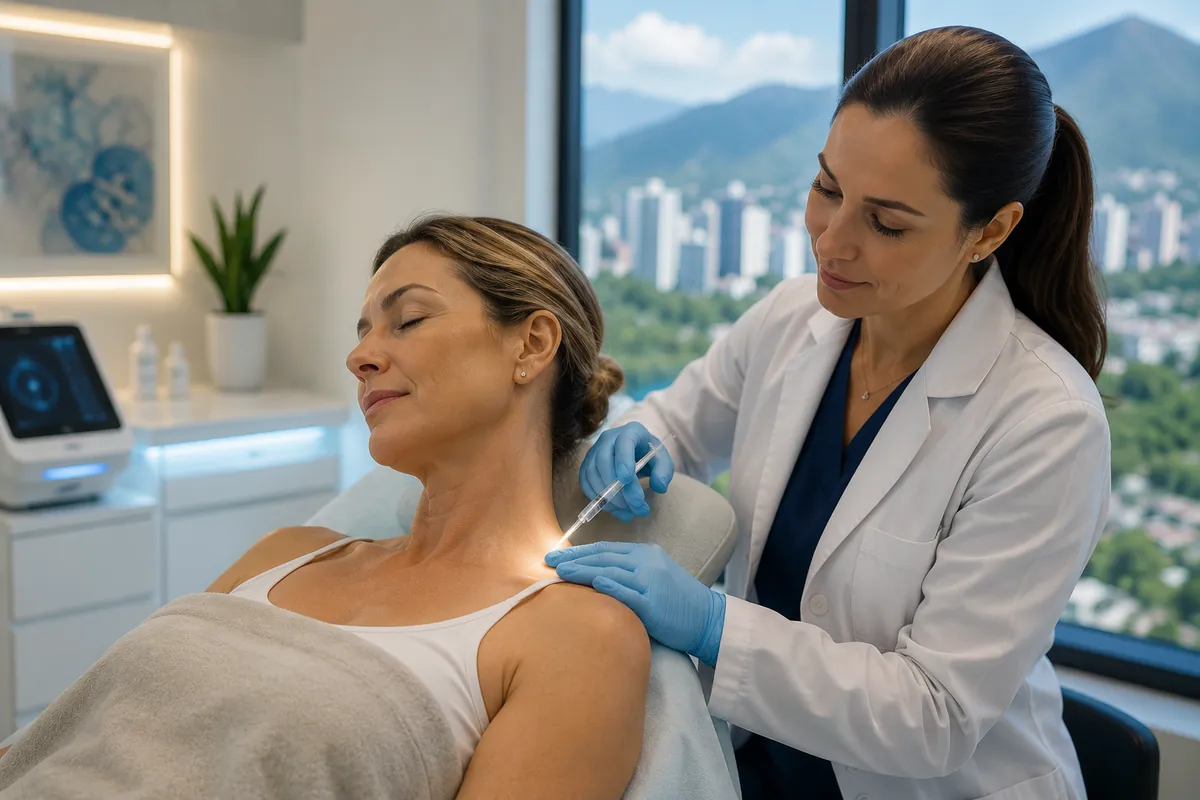
The most common procedure for sciatica is the epidural steroid injection, in which anti-inflammatory medication is placed precisely around the affected nerve root to calm swelling and ease leg pain. It does not cure the underlying disc problem, but for many patients it provides meaningful relief that allows them to progress with physical therapy. Our detailed epidural steroid injection guide explains what to expect step by step.
Other interventional tools include selective nerve root blocks, which can both diagnose and treat the specific nerve responsible for the pain, and, for certain chronic cases, radiofrequency ablation, a technique that uses controlled heat to reduce pain signaling from specific nerves. The right choice depends on the source of your pain and how you have responded so far. A responsible specialist uses these procedures as part of a plan, not as stand-alone fixes, always combined with rehabilitation.
When Surgery Is Considered
Surgery is not the first answer for sciatica, and most people never need it. It is reserved for two main situations. The first is the presence of red-flag symptoms that require urgent attention: progressive or significant muscle weakness in the leg or foot, numbness in the groin or inner thighs, or any loss of bladder or bowel control. These can signal serious nerve compression and warrant prompt evaluation rather than waiting.
The second situation is persistent, disabling pain that has not responded to a thorough course of conservative and interventional care over several weeks or months. In these cases, a procedure to relieve pressure on the nerve, such as removing the portion of a herniated disc that is pressing on the root, can be very effective. The decision is made carefully, weighing the severity of symptoms, the imaging findings and how much daily life is affected.
A trustworthy pain program is honest about this threshold. It does not rush patients toward surgery, nor does it withhold it when it is genuinely needed. HealthBridge is a facilitator, not a clinic, and we connect you with board-certified specialists who follow this evidence-based sequence. Our medical director and coordinator, Dra. Olga González, helps you understand each recommendation in plain language so you can make an informed choice. You can learn more about how we work on the HealthBridge home page.
Realistic Expectations and Cost Context
Setting honest expectations is part of good care. The encouraging news is that most cases of sciatica improve, often substantially, with a structured plan. For a smaller group, symptoms become chronic or recur, and these patients benefit most from an ongoing, individualized strategy rather than a single procedure. Recovery is rarely a straight line; there can be good days and setbacks, which is normal and does not mean treatment is failing.
Because sciatica care unfolds in steps, the cost depends on what your situation requires, from physical therapy and medication to one or more injections. International patients often choose Colombia because a board-certified interventional pain program here typically costs a fraction of comparable care in the United States, where a single epidural steroid injection alone can be expensive once facility and specialist fees are added. The savings come from lower operating costs, not lower standards.
HealthBridge helps you obtain a clear, itemized estimate so you understand what is included before you travel. We coordinate your evaluation, imaging review, the procedures your specialist recommends and your follow-up, all in one organized trip to Medellín. A transparent quote and a defined plan let you focus on getting better rather than on logistics.
How an Interventional Pain Program in Colombia Can Help
Medellín has become a respected destination for medical travelers seeking quality care at accessible prices, and chronic pain is no exception. The value of a dedicated program lies in its structure: rather than a series of disconnected visits, you receive a coordinated assessment, a stepped treatment plan and follow-up from a board-certified interventional pain specialist who sees your case as a whole.
HealthBridge connects you only with credentialed specialists working in accredited facilities, and we handle the coordination so you do not have to navigate a foreign system alone. We arrange consultations, help gather your imaging and records, schedule any recommended procedures and organize aftercare. Dra. Olga González serves as our medical director and coordinator, guiding you through every step in clear, bilingual communication.
Beyond the medicine, Medellín offers a mild spring-like climate, comfortable accommodations and a time zone close to the United States that keeps you connected with family. Direct flights from several U.S. cities make travel straightforward. For someone whose sciatica has not resolved at home, a structured program here can deliver attentive, personalized care and meaningful savings in a single, well-organized trip.
Most importantly, responsible sciatica care is never about a single miracle fix. It is about the right step at the right time, an accurate diagnosis, a conservative start, well-chosen interventions when needed, and surgery only when truly indicated. Choosing a team that respects that sequence is the most important decision you can make for your recovery.
Considering chronic pain in Colombia?
See the procedure, pricing and the process for international patients on our Chronic Pain Management.
Procedure guides: Interventional Pain Management in Colombia